some of my most fav hotels
Casa
Lévora
A Boutique Hotel where Luxury meets Warmth
Some hotels impress you with their grandeur. Others stay with you because of how they make you feel.
Casa Lévora belongs to the latter.
From the moment we arrived, there was an immediate sense of warmth - as though we were stepping into a beautifully designed private home rather than a hotel. It is intimate, peaceful and effortlessly elegant, with a level of attention to detail that makes every corner feel thoughtfully curated.
As someone who appreciates aesthetics, I couldn't help but notice the little things. Beautifully shaped towels, a chilled bottle of White Moscato waiting for us, a delicious cheese platter and carefully selected design elements throughout the property created an atmosphere that felt both luxurious and genuinely welcoming.
We stayed in one of the spacious suites, complete with a private terrace and direct stairs leading into the garden. It quickly became our favourite place to unwind after exploring the city - a quiet sanctuary in the middle of vibrant Mexico City.
One moment, however, truly stood out.
I rarely sleep well on my first night in a hotel. No matter how luxurious the property, it usually takes me a night or two to settle in.
Casa Lévora was different. I slept incredibly well from the very first night. The bed was exceptionally comfortable - not too soft, supportive and wonderfully familiar, almost like sleeping in my own bed at home. For me, that's one of the greatest compliments I can give a hotel. Breakfast was fresh, simple and delicious, offering everything needed to start the day at a relaxed pace. Throughout our stay, the team was genuinely warm, attentive and always happy to help, making us feel more like welcomed guests than hotel visitors. Being one of Mexico City's newest boutique hotels, Casa Lévora also feels impeccably maintained. Everything is spotless, beautifully designed and thoughtfully arranged, creating a calm atmosphere that puts you at ease. Its location is another highlight. Just a short stroll from the iconic Presidente Masaryk Avenue, Chapultepec Park and many of the city's best restaurants, cafés and boutiques, Casa Lévora is perfectly positioned for exploring Polanco while still offering a peaceful retreat away from the city's energy. Luxury doesn't always need to be grand. Sometimes, luxury is simply finding a place that feels like home. And that is exactly what Casa Lévora offers.


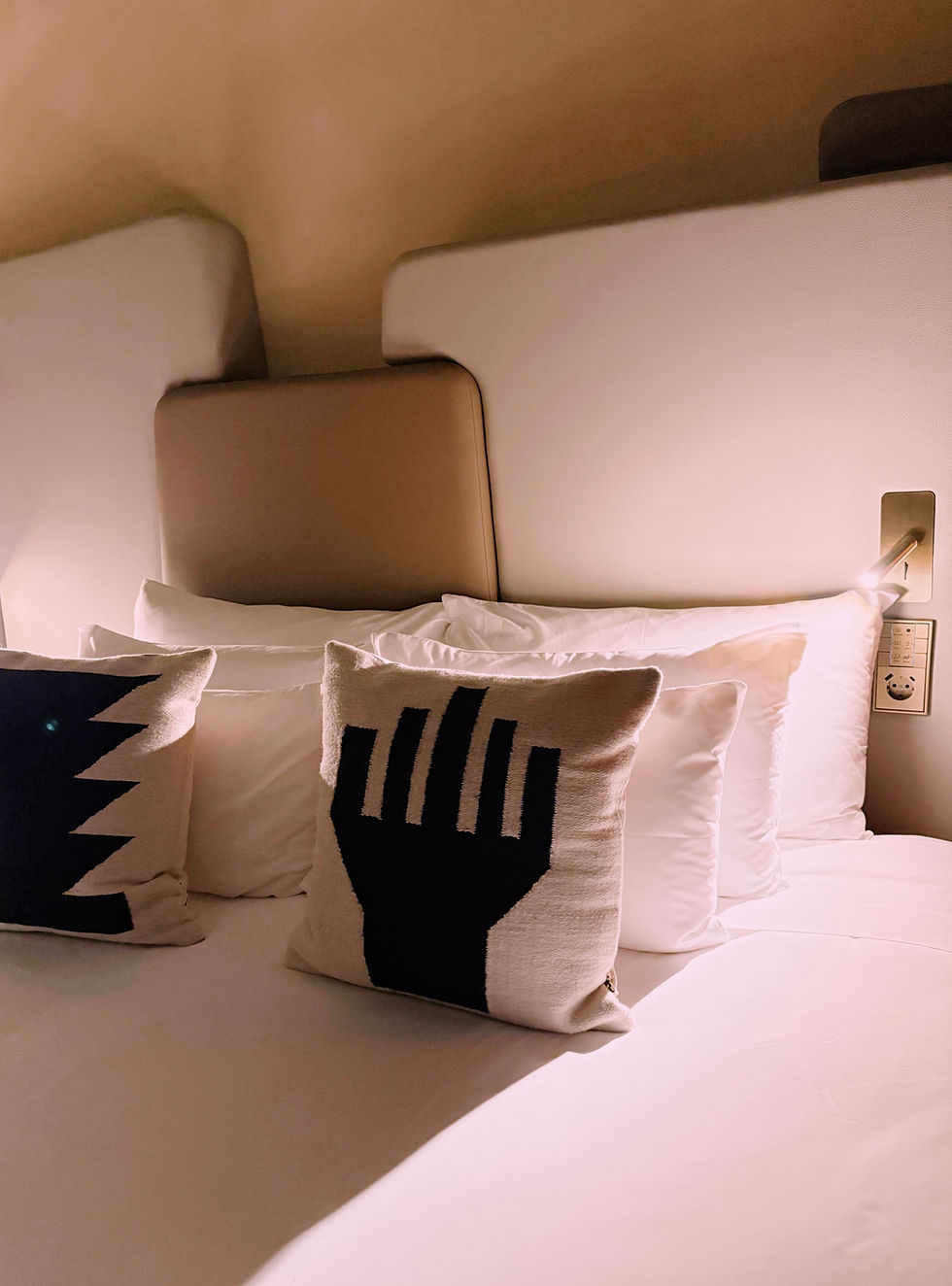
Colour, Culture and Creativity: A stay at nhow Lima by Minor Hotels
Every journey has a first impression. Ours began just before midnight...
After a long flight from Mexico City, we arrived at nhow Lima - tired but excited - to discover Peru.
Within minutes, we had checked in, settled into our room and ordered dinner
from the hotel's 24-hour room service. A small luxury that feels priceless after a day of travelling.
The next morning, daylight revealed what the night had only hinted at: nhow Lima is anything but ordinary.
Unlike many contemporary hotels that favour minimalism, nhow embraces colour, creativity and character.
Inspired by Peru's rich cultural heritage, the interiors celebrate local traditions through bold artwork,
vibrant design and playful details, while maintaining a modern, cosmopolitan atmosphere.
Every corner feels curated, making the hotel as much a creative space as a place to stay.
Located in the heart of Miraflores, one of Lima's most desirable neighbourhoods, nhow is perfectly positioned
for exploring the city. Whether you're strolling through Kennedy Park, discovering Lima's world-famous culinary scene,
browsing independent boutiques or watching the sunset along the Pacific coast, everything is within easy reach.
It's the kind of location that allows you to experience the city effortlessly, whether you're visiting for a weekend
or beginning a longer journey through Peru.
One of the hotel's greatest strengths, however, isn't its design, it's its people.
From the welcome at reception to the attentive service throughout our stay, every member of the team
made us feel genuinely cared for. Hospitality here feels natural rather than scripted,
creating an atmosphere that is both relaxed and refined.
The guestrooms continue the hotel's bold design philosophy while offering all the comforts expected from a modern lifestyle hotel.
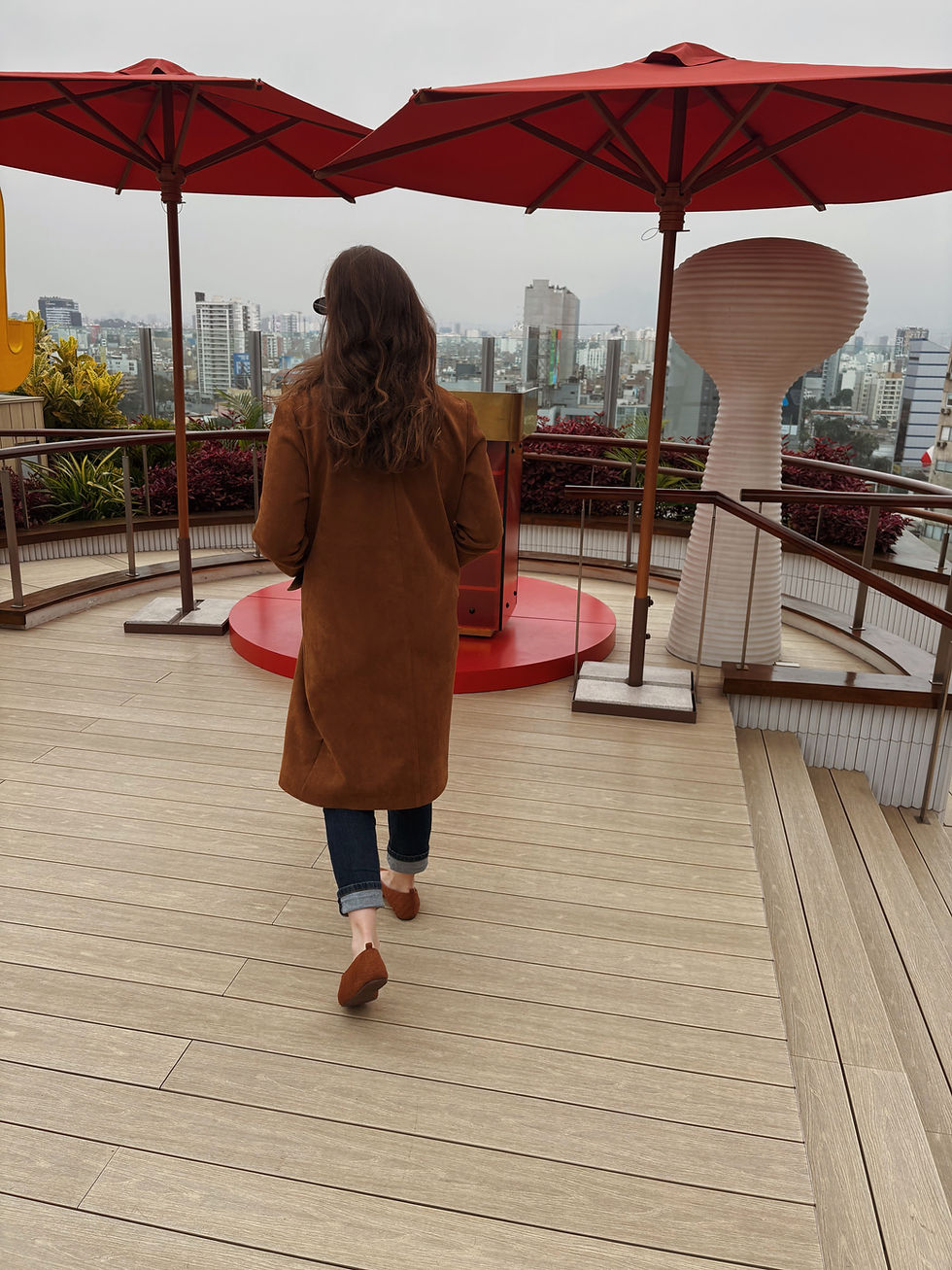
Upstairs, the rooftop invites guests to slow down. With sweeping views across Lima, a stylish bar
and an outdoor pool, it's the perfect place to unwind after a day spent exploring one of South America's most fascinating capitals.
What makes nhow Lima particularly refreshing is its confidence to be different. Rather than imitating international luxury,
it proudly celebrates Peru's identity through contemporary design, art and culture. It's vibrant without being overwhelming,
stylish without feeling pretentious and playful while maintaining a high level of comfort.


Between Sky and Sacred Valley:
Inkaterra Hacienda Urubamba, Peru
While most travellers pass through Peru's Sacred Valley
on their way to Machu Picchu,
it's worth slowing down here.
From the moment we arrived at Inkaterra Hacienda Urubamba,
it was clear this wasn't simply
a place to spend the night
- it was one of the highlights
of the journey itself.
There was no hurried check-in or elaborate welcome.
Instead, we were greeted with warm smiles,
a refreshing Peruvian welcome drink,
and chilled towels after the journey.
It's often the smallest gestures
that set the tone for an unforgettable stay.
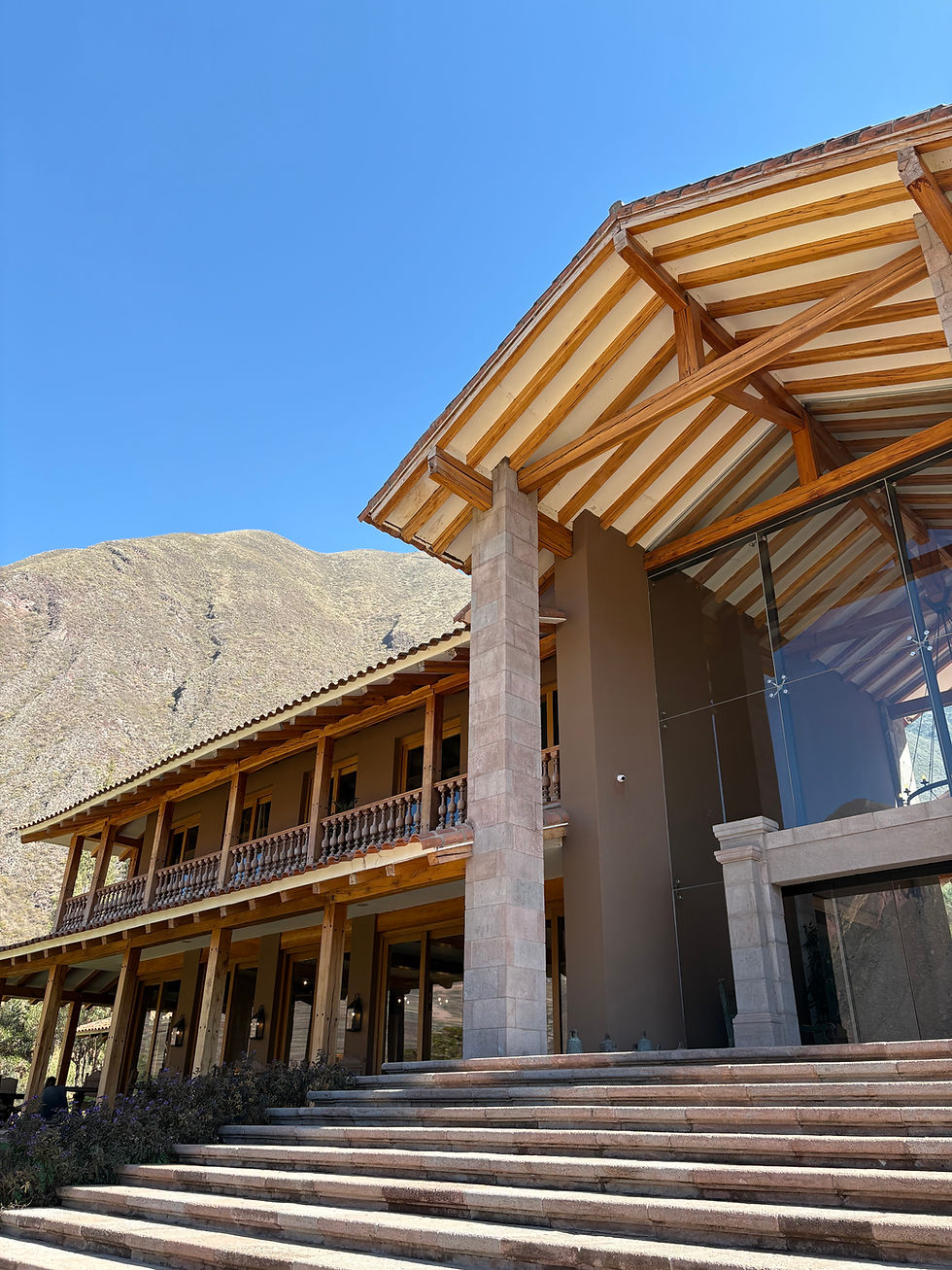
Set across nearly 100 acres between Cusco and Machu Picchu,
Inkaterra Hacienda Urubamba feels less like a luxury hotel
and more like an elegant countryside estate. Surrounded by eucalyptus groves,
fertile farmland, and the dramatic peaks of the Andes,
the property draws inspiration from traditional colonial haciendas.
Handcrafted woodwork, Inca-inspired artwork,
and understated contemporary comforts
create interiors that feel timeless rather than trendy.
As daylight faded behind the mountains, we settled onto the terrace
for the hotel's traditional afternoon tea,
watching golden light wash across the valley.
Our casita quickly became a private sanctuary.
As temperatures dropped after sunset,
the fireplace filled the room with warmth while underfloor heating
made the cool Andean evenings unexpectedly cosy.
A bottle of Pisco and handcrafted chocolates awaited us;
a thoughtful gift that perfectly captured the hotel's philosophy.
The luxury here lies in the details.
The dining experience was equally memorable.
After a full day exploring the Sacred Valley,
we opted for room service.
The Ceviche was exceptionally fresh,
while the Lomo Saltado was rich in flavour and perfectly prepared.
Guests catching the early train to Machu Picchu
are served breakfast before sunrise
- a thoughtful touch that reflects the property's intuitive hospitality.
One of the things we appreciated most was the philosophy behind the property.
Sustainability here is neither trend nor marketing language -
it's woven into every aspect of the experience.
At the heart of the estate lies a 25-acre organic farm where quinoa,
the celebrated giant white corn of Urubamba,
native potato varieties, and medicinal herbs are cultivated
using traditional Andean farming methods, some still relying on oxen and hand tools.
Much of what grows here finds its way directly into the kitchen,
giving genuine meaning to the property's Earth-to-Table concept.
Guests are invited to explore the farm and discover the agricultural traditions
that have shaped life in the Andes for centuries.
The commitment extends beyond the hotel itself.
Through the Inkaterra Asociación,
the company has spent decades supporting scientific research,
biodiversity conservation, and environmental education across Peru.
Long before sustainability became a defining trend in hospitality,
Inkaterra had already built its identity around protecting
the country's remarkable natural and cultural heritage.
Its location also makes the hacienda an ideal base
for exploring the Sacred Valley.
Rather than travelling back and forth from Cusco each day,
guests can easily visit the circular terraces of Moray,
the Maras Salt Mines, the colourful market of Pisac,
and the impressive Inca fortress of Ollantaytambo.
Staying here transforms the Sacred Valley from a brief stopover
into one of the most rewarding parts of a journey through Peru.
Inkaterra Hacienda Urubamba is a place to pause.
To watch the light change over the Andes,
sip tea grown just beyond your window,
and experience a quieter, more authentic side of Peru.




why CP
This hotel won me over through thoughtful details, impeccable service, and genuine warmth.
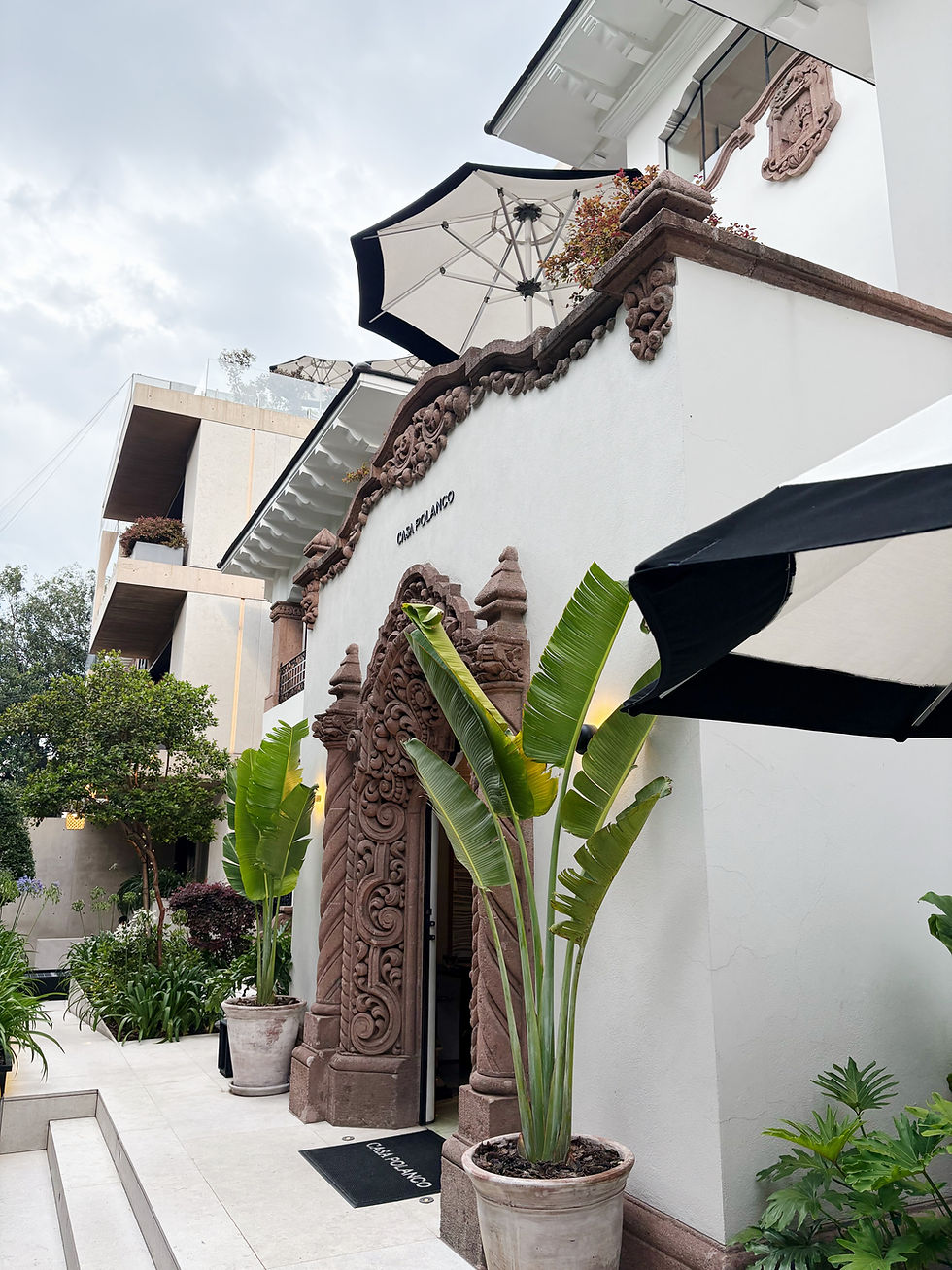
During my recent stay at Casa Polanco, I discovered a property that effortlessly combines all three.
Nestled in the elegant neighborhood of Polanco, this five-star deluxe boutique hotel offers a sophisticated residential atmosphere that immediately makes guests feel at home. From the moment of arrival, the experience is personal and seamless. We were warmly welcomed by General Manager Ane, whose gracious hospitality perfectly reflects the spirit of the entire property.
The hotel's design is exceptional. Every space has been curated with remarkable attention to detail, blending contemporary luxury with timeless elegance. Beautiful artwork is displayed throughout the house, creating the feeling of staying in a private collector's residence rather than a traditional hotel. The interior design is cohesive, refined, and visually stunning without ever feeling ostentatious.
Our suite was nothing short of magnificent. Spacious and beautifully appointed, it featured a generously sized master bed as well as two additional beds prepared for the children, making Casa Polanco an excellent choice for families seeking luxury without compromise.
signature
The signature room fragrance added an additional sensory layer to the experience, while the expansive bathroom felt like a private wellness sanctuary. Every element - from the materials and lighting to the amenities - was perfectly coordinated.
One of the many thoughtful touches is the hotel's generous inclusion concept. The minibar is complimentary, allowing guests to enjoy refreshments at their leisure. In the afternoon, coffee and freshly prepared cakes are served and included in the room rate, creating a delightful moment to pause and relax after exploring the city.
The culinary offering continues into the evening, when guests can enjoy dinner in the hotel's elegant restaurant. Mornings begin equally well: a refined breakfast is included and showcases excellent quality ingredients and attentive service. One particularly charming detail is the freshly delivered coffee placed outside the guest room door in the early morning - a simple gesture that elevates the entire start of the day.
For wellness-minded travelers, Casa Polanco offers an indoor gym on the top floor as well as a spa with massage treatments. Whether seeking relaxation or a workout, the facilities complement the intimate luxury of the hotel perfectly.
Perhaps the property's greatest strength, however, is its service culture. The reception team is consistently attentive, proactive, and genuinely eager to assist with any request, whether arranging transportation, securing restaurant reservations, or offering insider recommendations for Mexico City.
In an era where true luxury increasingly means personalization rather than excess, Casa Polanco succeeds brilliantly. It is a boutique hotel that delivers elegance, comfort, family-friendliness, outstanding gastronomy, and exceptional service in equal measure. For travelers seeking a sophisticated home away from home in Mexico City's most prestigious neighborhood, Casa Polanco stands among the city's finest addresses.


There are places that feel less like a hotel and more like an idea
of how life could actually be.
MUSA in Zihuatanejo, founded by Andrés Saavedra and Tara Medina,
is one of those places.
MUSA stands for “Modern Utopian Society of Adventurers.”
At first, that sounds ambitious, almost a little programmatic.
I first visited in 2024. This time, I returned with my two children.
And suddenly, I saw this place through completely different eyes.
This curated utopia brings together interesting people,
peace, nature, and design.
And that is exactly why I believe places like MUSA are emerging
from the growing feeling that perfection seems artificial and exhausting,
and that many resorts around the world have begun to feel the same.
The future, at least for me, lies in something different:
regenerative hospitality.
Places that not only look beautiful but also feel wholesome
and calm the nervous system
instead of constantly overstimulating it.
The Architecture of Calm
You immediately notice how strongly architecture influences the way we feel.
Open spaces waiting for you with natural materials and shifting shadows.
Wind flowing through the rooms. Transitions between indoors
and outdoors that feel almost invisible.
The jungle right outside the door, the ocean only a few steps away.
You naturally slow down.
And still, I found myself wondering: where does true sustainability end
and where does aesthetics begin?
Because of course MUSA is beautiful. Extremely beautiful.
That kind of reduced, natural aesthetic that has become
a global symbol of longing.
Raw beauty instead of excess.
Perhaps the answer lies exactly in the idea that beauty
and sustainability should no longer exclude one another.
That we can create places that do not overpower nature
but work together with it.
That is what makes MUSA so special.
Our days there found the perfect rhythm between activity and rest.
Breakfast at ALBA in the mornings,
overlooking greenery and the ocean. Later, swimming in the large pool,
playing pickleball, working out in the gym,
or simply walking barefoot by the sea.
We watched horses wandering between the palm trees and tiny turtles
making their way to the ocean after hatching.
Moments like these remind you how little you actually need in order to feel alive.
Around it all, houses are being built that can be rented or purchased, with pools,
open living concepts, and deep integration into nature.
A community is taking shape. A modern form of living together for people
who share similar values: health, creativity,
connection to nature, movement, good food, and genuine encounters.
I spoke with MUSA co-founder Tara Medina, and it quickly becomes clear
that MUSA was never designed simply as a hotel,
but as a vision of how people today want to live, travel, and connect.
A great deal is also evolving in the field of longevity.
At the same time, a school is being planned,
which I personally find incredibly important. I do not want to travel without my children.
But I also do not believe in this hyper-stimulated model of family travel
where everything becomes pure entertainment.
No permanent Disneyfication of vacations, but spaces where children are simply
allowed to be part of life.
Mornings at school, then helping bake bread, exploring the gardens,
visiting the chicks in the coop,
and afterwards heading to the sea.
And yet, traveling as a mother remains complex
Vacations are often simply work wrapped in beautiful packaging.
When you travel without a nanny or grandparents, motherhood, mental load,
and constant availability do not suddenly disappear at the airport.
Even in paradise, you are organizing games,
sunscreen, sleep schedules, and emotional needs.
That is exactly why MUSA felt so special with family:
because the place itself is not overstimulating.
Because children are allowed to be free there. Because everything feels open, safe, and natural.
Because you are not constantly forced to choose between the adult world
and the family world.
It creates a deeper connection to the world, with nature placed
at the center rather than used as a backdrop.
And here, in one of the most beautiful places in the world, people come together
to truly connect instead of merely consuming side by side.
Source article:
https://www.entrenous.at/warum-orte-wie-musa-die-zukunft-des-reisens-zeigen/